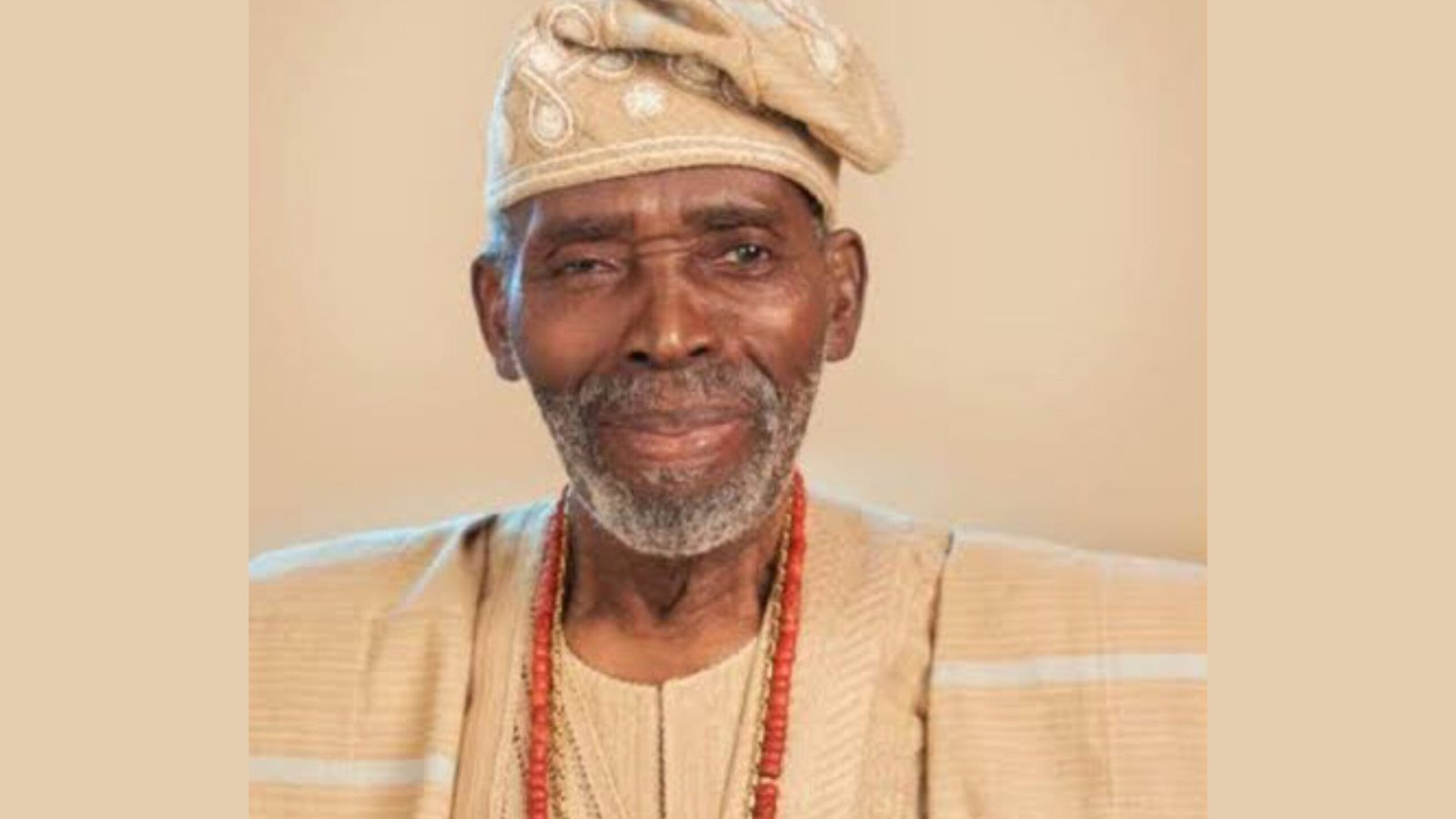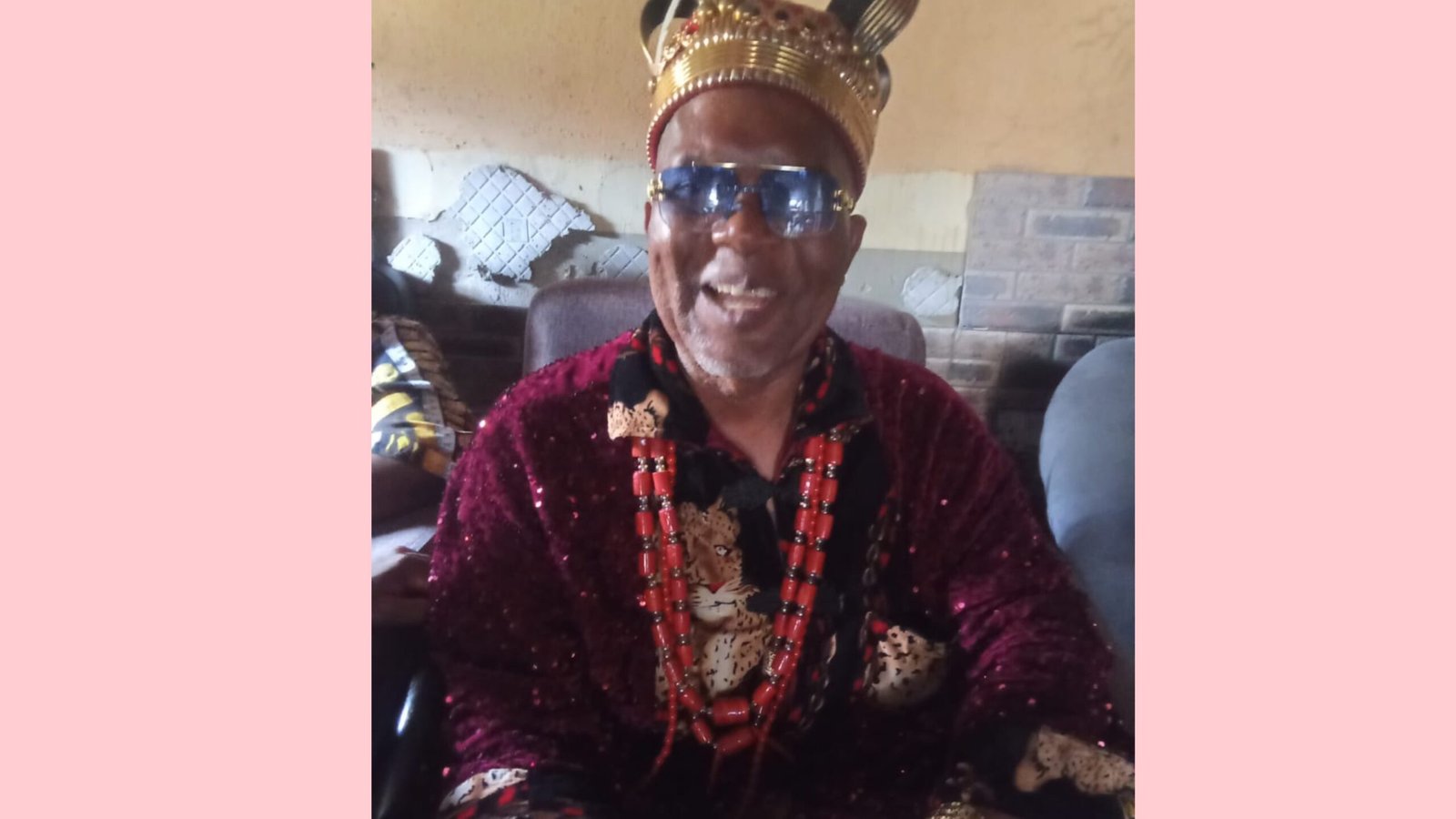
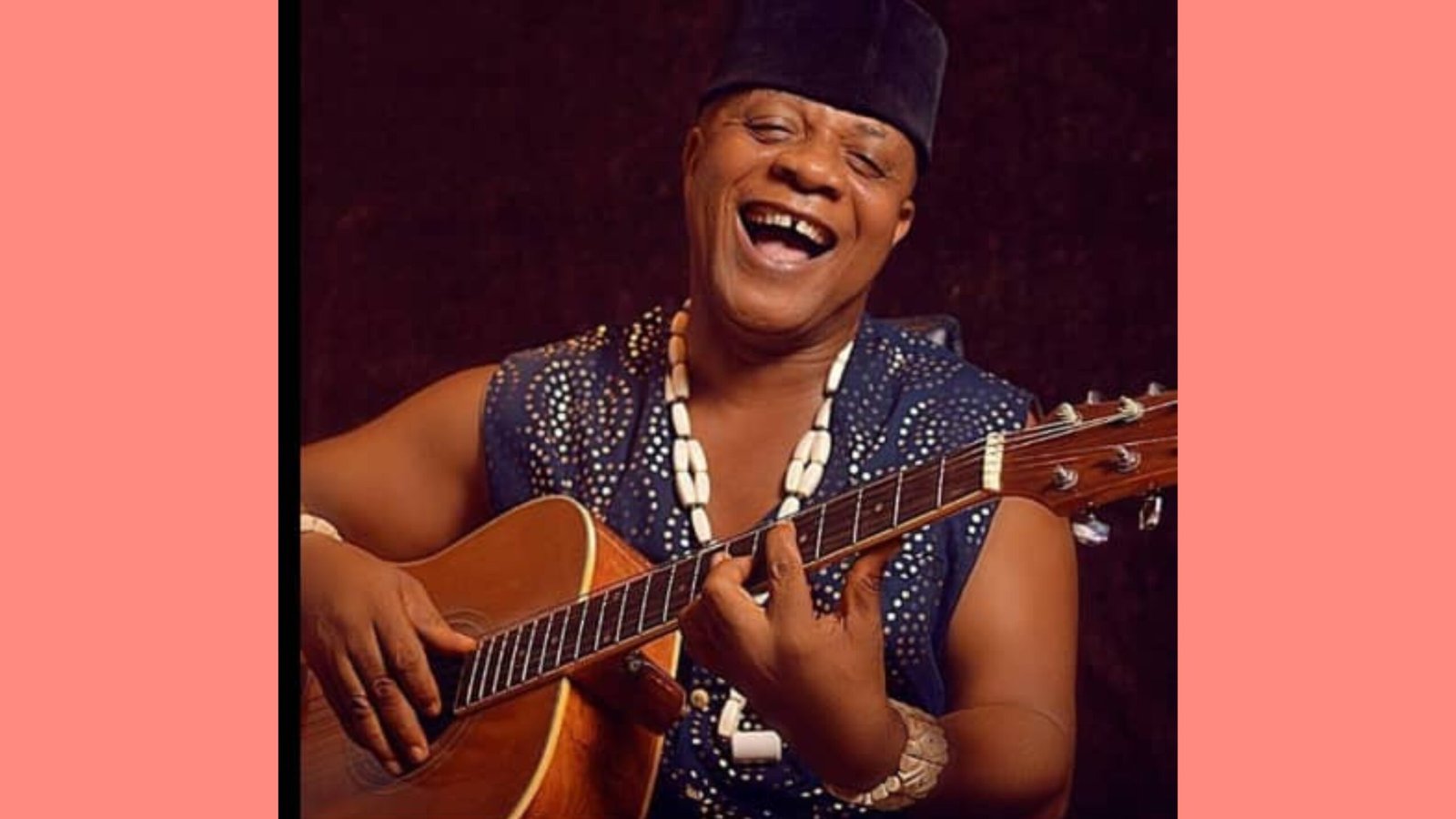
On October 1, 1960, Nigeria began a new chapter as an independent nation. On that same remarkable day, another story was beginning in eastern Nigeria and that was the birth of a child who would eventually become one of the country’s most distinctive highlife musicians. His name is Bright Chimezie. Born Bright Chimezie Ironmuo in Ekeoba village in the Umuahia in the present-day Abia State, the veteran musician has lived a life whose milestones have often coincided symbolically with those of the country he was born into. Every year, while Nigerians celebrate Independence Day, Chimezie celebrates his birthday. In 2026, both Nigeria and the celebrated musician mark their 66th year.
For Bright Chimezie, however, the story is much bigger than the coincidence of a birthday. It is a story of music, cultural identity, persistence and the determination to give indigenous African expression a prominent place in popular entertainment. Long before he became known across Nigeria as the energetic performer popularly called “Okoro Junior,” Chimezie was already immersed in music. His childhood was spent in an environment where music was woven into religious life, community gatherings and traditional celebrations. At about seven years of age, he became involved with his clan’s cultural group and eventually rose to a leadership position. His participation in the Methodist Church Ekeoba Choir also gave him an early grounding in vocal performance. He sang alto and developed an appreciation for harmony and disciplined musical arrangement. These experiences would later meet the sounds of traditional Igbo music, creating the foundation for the distinctive style that eventually became his trademark.
His education took him through Umuhu Central School and Ohuhu Community Secondary School in Amaogwugwu, Umuahia. Even as a student, music remained central to his interests. He formed and led a school band and continued developing the performance skills that would later become the foundation of his professional career.
The Nigeria of the 1970s was also experiencing a vibrant cultural and musical transformation. In the aftermath of the Nigerian Civil War, eastern Nigeria was rebuilding socially and economically, while musicians, cultural groups and entertainers were creating new forms of expression and Chimezie consequently became part of that movement. He joined the Modernized Odumodu Cultural Dance Group, a group that combined music, dance and traditional performance. His experience there exposed him to the power of storytelling through performance. Rather than separating music from culture, the group treated the two as complementary forms of communication.
As at 1976, Chimezie had already appeared on Nigerian television, giving audiences an early glimpse of the performer he would eventually become. His career subsequently took another turn when he joined the Nigerian Customs and Excise Dance Band. The experience expanded his professional exposure and allowed him to perform before wider audiences. But Chimezie was not content to remain simply another member of an established band. He had ideas of his own and in 1984, he left the Customs and Excise Dance Band and embarked on an independent career. It was at this point that he began developing what became known as the Zigima Sound.
Zigima was not simply a musical label. It represented an approach to music that brought together indigenous rhythms, highlife, dance, humour, social commentary and storytelling. Chimezie created a sound that could be entertaining without abandoning its cultural roots. That decision helped distinguish him from many of his contemporaries. At a time when Nigerian musicians were increasingly absorbing influences from Europe, America and other parts of Africa, Chimezie insisted that African cultural expression could remain at the heart of modern popular music. His songs were often lively and humorous on the surface, but they frequently carried deeper messages about society, identity, relationships and the changing values of the time.
His first major album, Respect Africa, released in 1984, introduced listeners more fully to the philosophy behind his music. The album contained songs including “Respect Africa,” “Lekwe Uwa M,” “Liza” and “You Can Never Hurry the Sunrise.” The message was clear: Africa had a culture worthy of respect and music could be used to remind people of that fact.
Three years later came Life of Yesterday, another important project in his catalogue. Among the songs associated with the album were “Nne M Oma,” a tribute to his mother and “Message Boy.” His growing catalogue established him as a musician who could combine melody and movement with observations about life. But perhaps no song better illustrates Chimezie’s ability to turn social experience into music than “Because of English.”
The song examines the complicated place of the English language in Nigerian society. Chimezie has spoken about his childhood experiences with English in school and the pressure placed on pupils to communicate in the colonial language. Rather than presenting the subject as a dry historical argument, he transformed it into a memorable musical narrative. That combination of humour and criticism became one of the hallmarks of his work.
His music frequently touched on issues that ordinary people could recognise in their daily lives. He could make audiences dance while simultaneously encouraging them to think about African identity, social behaviour, language, culture and the influence of colonialism. This was one reason his music endured. Songs such as “Ube Nwanne,” “African Style,” “Respect Africa,” “Message Boy,” “Nne M Oma” and “Chimezie No Go Gree” helped establish a catalogue that remained recognisable long after the height of his original popularity.
His stage persona was equally important. Chimezie’s performances were energetic, colourful and highly theatrical. His dancing became an integral part of the Zigima experience, helping audiences remember not only the songs but also the man performing them.
The name “Okoro Junior,” which became closely associated with him, also emerged from an episode connected to his determination to promote African music. Rather than allowing the name to diminish him, he turned it into part of his public identity.
For many years, Chimezie’s music belonged principally to the generation that grew up with Nigerian highlife and popular music of the 1980s. But the passage of time did not completely erase his relevance. Instead, a new generation eventually began rediscovering his work. One of the most significant examples came in 2025 when Davido, one of Nigeria’s most internationally recognised contemporary Afrobeats artistes, acknowledged the influence of Chimezie’s “Because of English” on his song “With You,” featuring Omah Lay.
The connection was significant because it demonstrated how ideas and sounds from one generation of Nigerian musicians can travel across decades and reappear in contemporary music.
Chimezie subsequently made a cameo appearance in the video for “With You,” bringing his image and music before a younger audience. His “Because of English” also received renewed attention, including the release of an acoustic version. For an artiste whose major recordings were made decades earlier, the renewed interest represented an important moment in his career. It also reinforced a broader truth about Nigerian music. Today’s Afrobeats industry did not emerge in isolation. It stands on the work of several earlier generations of musicians who experimented with highlife, juju, Afrobeat, traditional music and other indigenous forms and Bright Chimezie is part of that foundation. His relevance has also extended into the contemporary music business. In 2025, he entered into a publishing agreement with Sony Music Publishing West Africa, an arrangement that brought renewed commercial attention to his catalogue and underscored the continuing value of his musical works. Yet the most enduring part of Bright Chimezie’s legacy may not be any individual song or recording deal. It is the idea behind his music. He demonstrated that an artiste could embrace modern entertainment without abandoning his cultural roots. He showed that Igbo language, African rhythms, traditional performance and social commentary could coexist with popular music. Most importantly, he proved that indigenous identity could itself be a source of artistic originality.
At 66, Bright Chimezie therefore occupies a distinctive place in Nigeria’s cultural history. His career stretches from the village cultural performances of his childhood, through the television and band era of the 1970s, the emergence of Zigima in the 1980s, decades of live performances and recordings and now a period in which younger Nigerian musicians are rediscovering the work of his generation.
There is also something poetic about the date on which he was born.
October 1 belongs to Nigeria, but it also belongs to Bright Chimezie. The country celebrates its independence while the musician celebrates another year of life. In 2026, that coincidence reaches 66 years. For six and a half decades, the two stories have unfolded side by side. Nigeria has changed enormously since 1960 and its music has changed with it, from highlife and juju to Afrobeat, Afropop and the global Afrobeats movement. Through all those changes, Bright Chimezie has remained recognisable for one central reason and that is the fact that, he never stopped sounding like himself.
That may ultimately be the strongest measure of his musical legacy.
Bright Chimezie did not simply sing songs. He created a musical identity, gave it a name, gave it movement and used it to communicate a message about Africa and its people.
At 66, the Zigima maestro remains a reminder that music can entertain a generation, preserve the memory of another and still find a way to speak to the one coming next. Long live Bright Chimezie and his Zigima legacy.