18 January 2026 — From the moment we entered the Prince Moulay Abdellah Stadium in Morocco’s capital, the energy was electrifying. Flags waved, drums pounded and chants echoed through the cool evening air. Living Legends knew we were about to witness a football final that would be remembered not just for the scoreline, but for the drama, emotion and sheer unpredictability that defines African football at its very best.
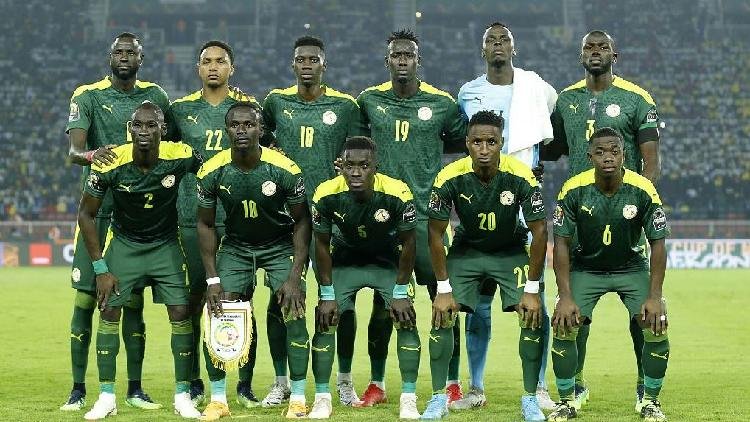
The match was poised, tensed and unforgiving. Senegal and Morocco, two nations with storied football histories faced off in what would become a contest of nerves as much as skills. We watched as Senegalese midfielder Pape Gueye orchestrated play with remarkable composure. For 90 minutes, the ball seemed glued to the midfield, the goalposts tested time and again, but neither side could break the deadlock. The Moroccan supporters in the stands were jubilant, urging their team on, while Senegalese fans in the diaspora broadcasted their support live across the world.
Then came the moment that turned the stadium into a cauldron. A late penalty was awarded to Morocco and chaos ensued. Senegalese players and coaching staff protested vehemently, briefly walking off the pitch in what was an unprecedented scene for an AFCON final. From where we sat, the tension was tangible, the Moroccan fans held their breath, security personnel were on high alert and we, as journalists, frantically recorded every reaction, knowing that history was unfolding before our eyes.
When Morocco’s Brahim Díaz missed the penalty, the relief on the Senegal bench was palpable. Minutes later, Gueye scored in extra time, and the Teranga Lions erupted in celebration. Senegalese fans we spoke to later described it as “a moment we will tell our children about,” and even some Moroccan fans, though heartbroken, applauded the sheer quality of the match.
Outside the pitch, the human stories were compelling. We spoke with young Senegalese fans, some travelling across borders to watch the final live. Their eyes shone with pride as they waved their flags, chanting national anthems in unison. We also saw Moroccan supporters comforting one another, finding unity even in loss. As correspondents moving through the crowds, we felt the pulse of nations, the elation, the heartbreak, the hope and all woven into the fabric of this final.
The match has drawn scrutiny from the Confederation of African Football (CAF). At Living Legends, we spoke to officials who confirmed a disciplinary review into player conduct and the walk-off incident. For Senegal, it was a night of glory; for Morocco, lessons in composure and resilience. And for African football, a reminder of the passion and intensity the continent brings to the global stage.
AFCON 2025 also highlighted the talent pipeline across Africa. Morocco’s journey to the final, including a 4–2 penalty shootout win over Nigeria, showcased emerging stars capable of competing internationally. Senegal’s victory reaffirms their stature as one of Africa’s most consistent footballing nations. For fans, it was more than a tournament, it was a celebration of identity, pride, and the unifying power of sport.
As we left the stadium that night, our Living Legends team reflected on what makes football a living legend in its own right: its ability to inspire, to evoke emotion, and to tell stories that transcend nations. Senegal may have lifted the trophy, Morocco may nurse its wounds, but for us, the final was a human story, one of courage, celebration and the relentless pursuit of excellence that defines African football at its very best.
In every cheer, every tear and every embrace we witnessed, one truth was undeniable: AFCON 2025 was not just a tournament, it was history, lived in real time and felt by millions across the continent.