
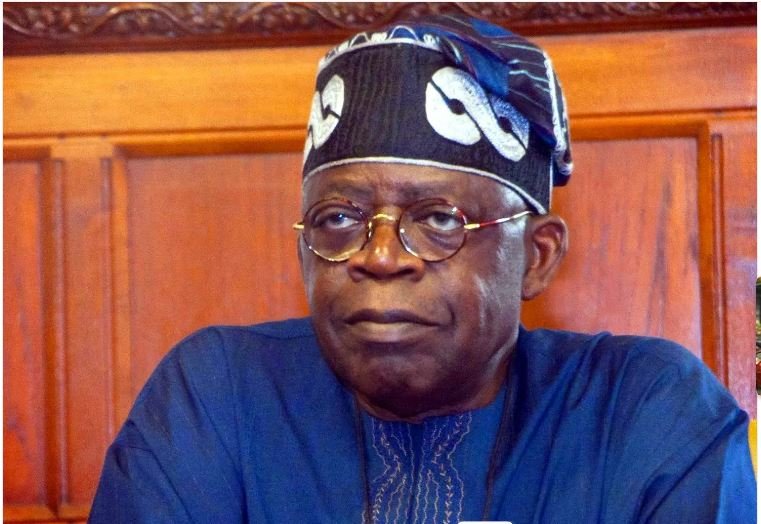
With the assent of President Bola Ahmed Tinubu, the Electoral Act Amendment Bill 2026 has officially become law, marking another defining moment in Nigeria’s democratic evolution. The amendment introduces structural reforms that will shape preparations for the 2027 general elections and redefine electoral procedures across the country.
As the dust settles, citizens must pay close attention to the key changes embedded in the new law. And below are the seven major amendments, presented sequentially for clarity:
I. Voter Registration Requirements Simplified.
The documents required for voter registration have been streamlined to three:
1.A birth certificate 2.A Nigerian passport
3.A National Identification Number (NIN)
This reform seeks to simplify the registration process while maintaining identity verification standards.
II. Downloadable Voter Cards Introduced.
Voters can now download their voter cards directly from the website of the Independent National Electoral Commission (INEC).
This digital shift aims to reduce logistical bottlenecks and make voter access more convenient.
III. Mandatory Electronic Transmission of Results — With a Proviso
Electronic transmission of results to the IReV portal is now compulsory. However, Section 60(3) provides that in the event of network failure preventing electronic transmission, Form EC8A (the physical result sheet) becomes the primary instrument for collation and declaration of results.
While the amendment strengthens the legal backing for electronic transmission, this proviso may attract scrutiny regarding transparency safeguards.
IV. Mode of Party Primaries Restricted.
Political parties are now limited to two methods for nominating candidates:
1. Direct primaries
2.Consensus
Indirect primaries have been eliminated. The objective is to promote broader participation within parties and deepen internal democracy.
V. Disbursement Timeline for Election Funds Adjusted.
Election funds must now be released to INEC at least six months before a general election, instead of the previous twelve months. This change compresses the funding timeline and places greater emphasis on financial discipline and efficiency.
VI. Deadline for Submission of Candidates Reduced
Political parties must submit their list of candidates 120 days before election day, down from 180 days previously.
This adjustment shortens the pre-election calendar and demands improved coordination within parties.
VII. Publication of Final Candidates’ List Shortened.
INEC must publish the final list of candidates 60 days before the election, instead of 150 days as previously required. This significantly tightens the official campaign timeline.
The Responsibility Now Shifts
At this juncture, the National Assembly has completed its legislative function. The Presidency has exercised executive authority.
The focus now shifts squarely to INEC.
Citizens must insist that the Commission:
I. Strictly complies with the law and treats all political parties and candidates equally. II. Effectively deploys technology for voter accreditation, electronic transmission, and real-time transparency. III. Ensures timely logistics and efficient distribution of election materials.
IV. Protects the integrity of the voters’ register against manipulation.
V. Works closely with security agencies to guarantee peaceful, violence-free polls.
VI. Promptly uploads and publishes results to strengthen public trust.
Accountability and Public Vigilance
Ultimately, Nigerians remain the true custodians of governance. Every democratic institution is accountable to the people.
With ₦873 billion projected for the 2027 elections, citizens must:
I. Follow every kobo allocated and spent.
II. Scrutinize procurement processes.
III. Question the quality and reliability of BVAS machines.
IV. Demand smarter and more secure software systems for BVAS and IReV.
V. Encourage strategic partnerships with reliable network providers such as Starlink to guarantee nationwide connectivity across Nigeria’s 177,000 polling units during election week.
Laws Are Dynamic
Laws are not absolute. They are crafted by people to serve society, and they remain open to judicial scrutiny.
Any citizen dissatisfied with any provision of the Electoral Act 2026 retains the constitutional right to challenge it in court. Democracy does not merely depend on legislation; it depends on vigilance.
The law has been signed and the framework has changed. Now, the responsibility belongs to the people, to monitor and protect their votes from political desperados.